
What on earth should we eat?
- Georgia Morelli
- Mar 11, 2020
- 4 min read
Updated: Mar 30, 2020
Our modern culture has gone food-crazy: colourful meals posted all over Instagram, influencers’ “what I eat in a day!” posts, scientists and dieticians explaining the latest research. Vegan, paleo, keto, low-carb, high-fat, low-fat, Whole20, intermittent fasting, bulletproof coffee. New fad diets and health foods keep coming out of the woodwork. And with more information than ever, it’s becoming increasingly hard to know who to believe.
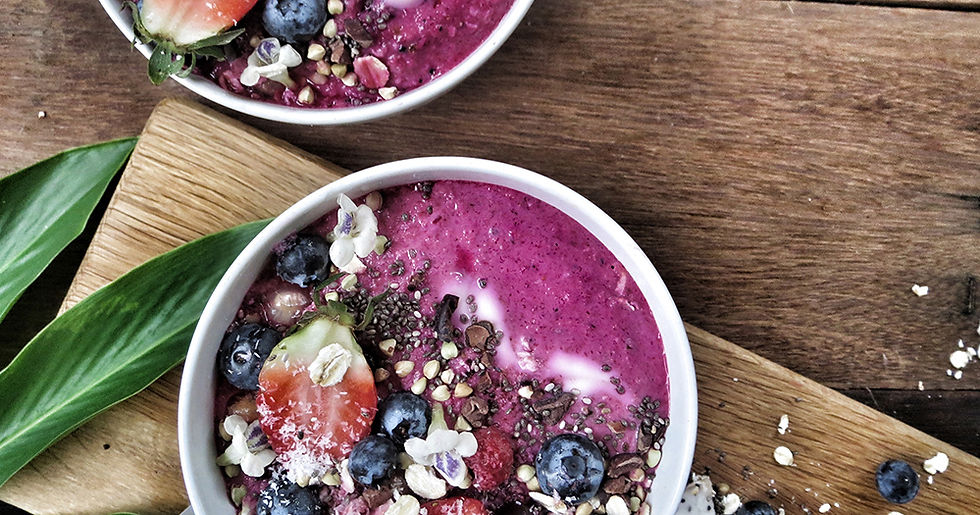
Science, or Instagram for that matter, does not have the answer.
I could present all the research on each different diet, the pros and the cons, the health benefits, which one scores the most amount of points. But the truth is, every diet has a downfall – cutting out a food group will always bring more harm than good.
Take the example of low-fat diets – popular in the early 2000s, remember those? We were encouraged to cut out olive oil, butter, bacon, full-cream milk. But many low-fat products were instead filled with high amounts of sugar. There’s always a catch. And, now we know that healthy saturated fats are critical, like avocado and olive oil; even bacon is considered a health food now, as long as it’s organic and nitrate-free. See how a diet that was once “scientifically proven” and “supported by research” has turned out to be completely wrong? Don’t believe all; science evolves.
Similarly, vegan, cutting out all animal products, will result in a lack of B12 that can only be sourced from these products. Yes, there are substitutes, but when is something in pill form ever better than the real thing? What would our ancestors have to say about that? (If you don’t believe me, check out Daniel Vitalis on the hidden costs of veganism.)
The keto diet, consuming no carbs but very high protein, has also come up with some scary health problems in scientific research.

Eating in extremes is simply not what nature intended.
So what should we actually be eating?
First, let me tell you something shocking – you’re not going to find the answer on this post. You’re going to find the answer inside you. Your body is going to tell you what to eat.
Bio-individuality means we are all unique and there is no one way of eating that is going to suit everyone.
The answer is intuition. Checking in with how your body feels before, during and after each meal is going to give you more insight than any online article or book will. Trial different foods, combinations of foods, amounts of food, times of the day where you eat. As long as you’re eating healthy, there’s really no harm in trying. The only harm you could do is sticking to a diet simply because your friend, partner or favourite social media influencer follows it, despite it not working for you.
My advice to you is try everything and take notice.
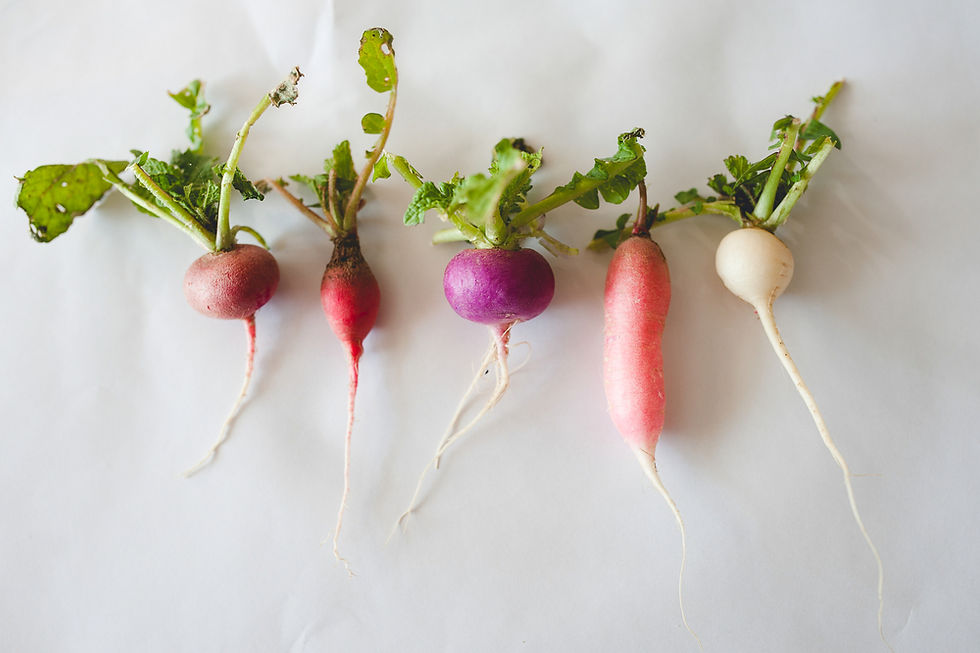
For example, you might try a month of lower carb, higher fat meals. The month after might be moderate carb and little to none animal products. You could also try intermittent fasting, 6 smaller meals a day vs 3 meals a day, skipping dinner one day a week…
Here are some things you should track during these explorations:
Keep a food diary
Track your bowel movements
Monitor your energy levels each day and throughout the day (afternoon slumps or waking up exhausted?)
Keep a photo diary of your skin (this is your biggest detox organ, breakouts and congestion will tell you more than almost anything else in your body)
Note down any digestion symptoms (bloating, indigestion, pain, heartburn)

Ok but give me some sort of guidance, please.
You’ll be pleased to hear there are some general rules that apply to everyone, no matter how you decide to eat.
So in sticking with the theme of this blog, let’s ask what the earth did intend. It intended us to eat a balanced diet with a variety of fresh whole foods.
And another general rule I tell everyone: eat more plants. Even if you’re still consuming carbs and animal products, plants should constitute the majority of your diet.
Here’s an easy plate breakdown to follow.

1/2 of your plate is vegetables and fruit (potatoes don’t count!)
1/4 of your plate is whole grains (focus on the quality of your grains)
1/4 of your plate is protein (both animal and plant)
See the Harvard Healthy Eating Plate for more details, at https://www.hsph.harvard.edu/nutritionsource/healthy-eating-plate/.
Unfortunately, I have yet to find an Australian equivalent that satisfies me – this says quite a bit about the lack of food literacy that our health industry has. The Healthy Food Guide has the proportions right, but they don’t promote whole grains to be your carbohydrate source or alternative protein options. See https://www.healthyfoodguide.com.au/resources/the-perfect-plate.

So let’s put bio-individuality back on the dinner table.
In our modern lives, we are disconnected from our food, where it comes from, and how it makes us feel. We need to be mindful about what we’re putting into our mouths and tune in to how it makes us feel. Learn about your body! Learn about which foods make you tick and which drain you. Resist being sucked in by fad health foods and trends if they don’t work for you.
The earth’s message to you today is: eat more plants, and listen to your body. That’s how nature intended it to be.


Comments